

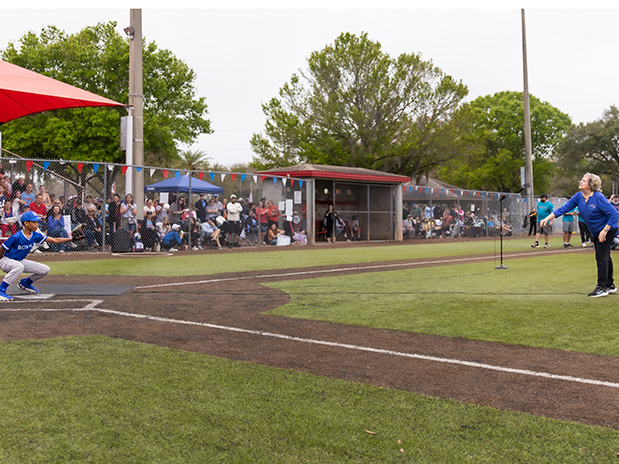
In early 2026, 79 youth baseball and softball teams took the field at Eastmonte Park. Over 1,000 young athletes ages 4 to 18 participated in the opening games of the season. For more than 50 years, Altamonte Springs has invested in this program—maintaining facilities, organizing teams, and coordinating volunteers.
But Opening Day is more than sports. It’s an example of municipal stewardship. The resources required to operate youth recreation programs come from city budgets and planning decisions. These investments aren’t incidental to how Altamonte Springs functions. They’re central to it.

“The strongest communities are those where people choose to build something greater than themselves,” said City Manager Frank Martz during the Liberty Tree dedication in June. “That’s what creates a legacy for future generations.”
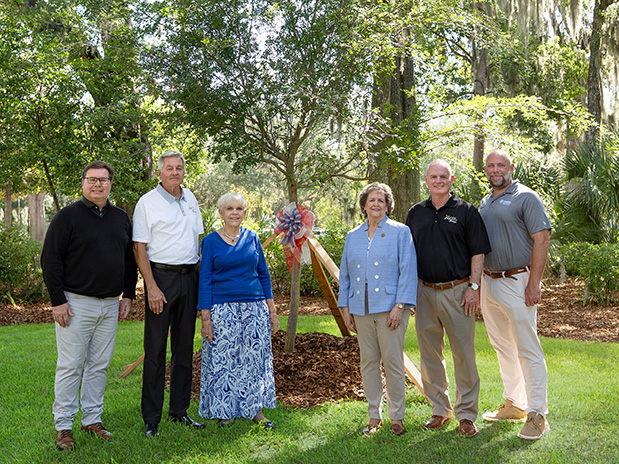
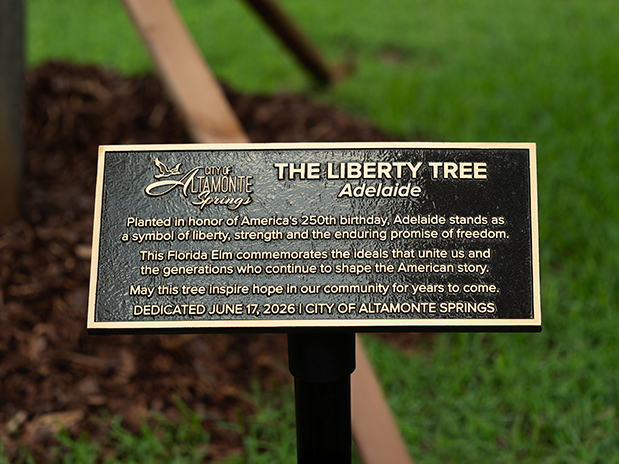
That statement reflected the day’s main event: planting Adelaide, a Florida elm that will grow beside the Altamonte Springs City Library. The city selected it as the official Liberty Tree, but the choice reveals how the city thinks about stewardship. The tree will take decades to mature. People who plant it won’t see its full development.
The tree’s name connects present decisions to the city’s past. Adelaide honors Lake Adelaide, the landmark that drew Boston investors to build the Altamonte Hotel in 1882—the beginning of the settlement. The hotel stood near where the city library sits today. That progression matters: 19th-century investors saw potential in the natural springs. Later generations built public institutions like the library. Today’s leaders plant a tree for future residents.
This pattern shows how civic stewardship works. It requires decisions that extend beyond immediate needs. What does the city need now? What will it need in 20, 30, or 50 years? It requires sustained commitment to parks, recreation programs, libraries, and public infrastructure—the basic work of maintaining a functioning community.
Altamonte Springs demonstrates this through concrete actions. Opening Day has continued for over 50 years because the city keeps funding it and residents keep supporting it. The library exists because the city built and maintains it. Parks get upkeep and investment. These aren’t glamorous decisions, but they shape whether families stay in a community and whether children have places to play and learn.
For residents, the message is straightforward: the community’s strength comes from deliberate choices. Someone invested in that park before you moved there. Someone decided a library mattered. Someone committed resources to youth sports. Those weren’t decisions made for immediate return. They were made because leaders and residents believed communities function better when people invest in each other’s futures.
Planting Adelaide is another such choice. Maintaining youth sports programs is another. These are acts of stewardship—small, regular decisions that add up over time to ensure a strong sense of community for generations to come.